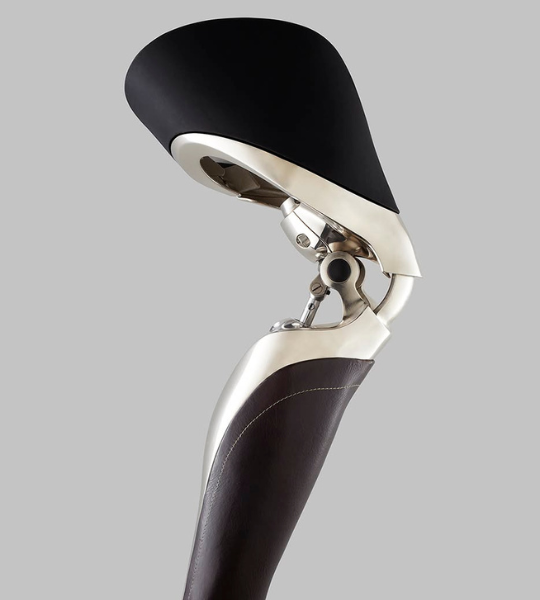
Improving Prosthetic Design Performance
Initial concepts often require multiple stages of refinement before reaching a mature engineering solution. Through systematic evaluation, we identify limitations and develop improvements that enhance functionality, durability, and efficiency.
Our optimization activities include:
• Structural optimization — Improving component geometry, strength, stiffness, and weight
distribution to achieve better mechanical performance.
• Functional refinement — Adjusting designs to improve movement, stability, comfort, and
user interaction.
• Component improvement — Identifying opportunities to enhance individual elements such
as joints, connectors, sockets, and structural components.
• System-level optimization — Evaluating how multiple components work together to
improve overall prosthetic performance.
• Design iteration support — Refining concepts through engineering feedback and
development cycles.
By combining analysis and engineering expertise, we help transform early concepts into more
effective and reliable solutions.
Engineering Analysis & Validation Approach
Validation is a critical part of prosthetic development because designs must demonstrate that they meet defined technical and functional requirements. We support the development process by creating engineering methods to evaluate performance before further advancement.
Our validation activities may include:
• Mechanical performance evaluation
• Load and stress analysis
• Fatigue and durability considerations
• Movement and functional assessment
• Design comparison and improvement studies
• Technical requirement verification
These processes help identify potential weaknesses early and provide engineering confidence before moving toward prototyping or production activities.
Engineering Challenges
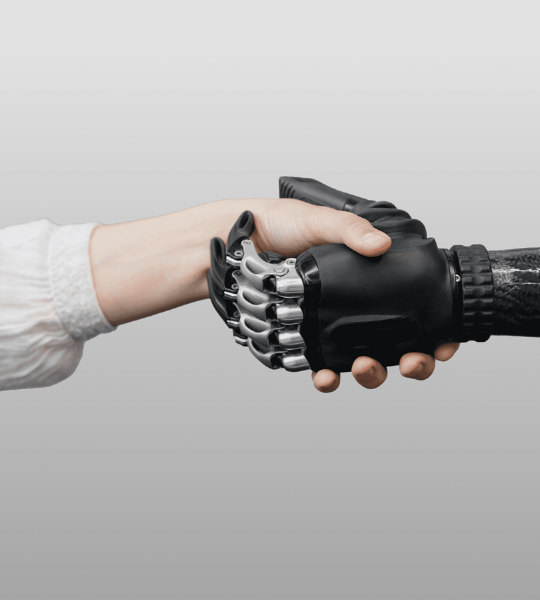
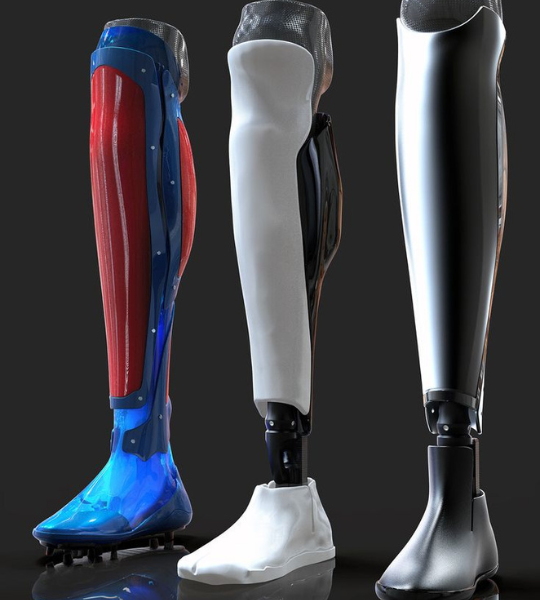
Optimizing prosthetic designs requires balancing multiple performance requirements that can often conflict with one another. Improving one characteristic may negatively affect another, requiring careful engineering evaluation.
Key challenges include:
• Strength versus weight — Reducing material and mass while maintaining sufficient
durability and safety.
• Flexibility versus stability — Creating designs that allow natural movement while
maintaining control and support.
• Performance versus complexity — Adding advanced functionality without making systems
difficult to operate or maintain.
• Prototype limitations — Evaluating designs effectively before full physical testing is
available.
• Long-term reliability — Ensuring components maintain performance after repeated use and
mechanical loading.
Engineers must consider the complete lifecycle of a prosthetic system rather than focusing only on
individual performance characteristics.
Digital Tools & Engineering Refinement
Modern engineering methods allow prosthetic designs to be evaluated and improved before physical prototypes are created. Digital modeling and simulation provide valuable insight into how designs may perform under different conditions.
Our engineering process uses these approaches to support:
• Identification of stress points and design weaknesses
• Comparison of alternative design solutions
• Weight and material optimization
• Improved component integration
• Faster and more efficient development cycles
By applying structured engineering evaluation, we help reduce development risks and improve the quality of prosthetic designs.
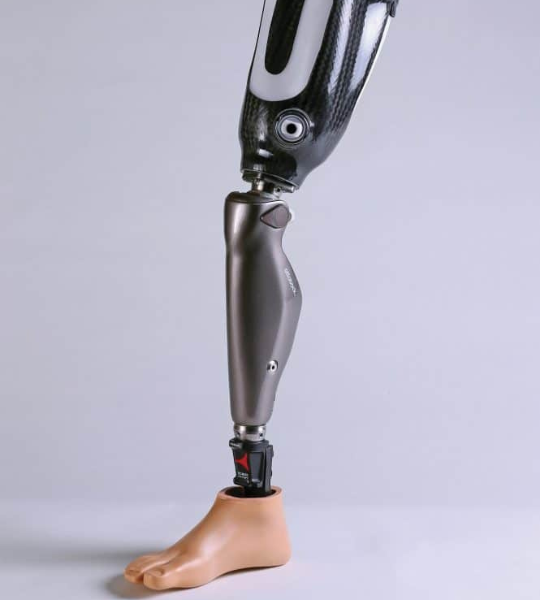
Supporting Reliable Prosthetic Innovation
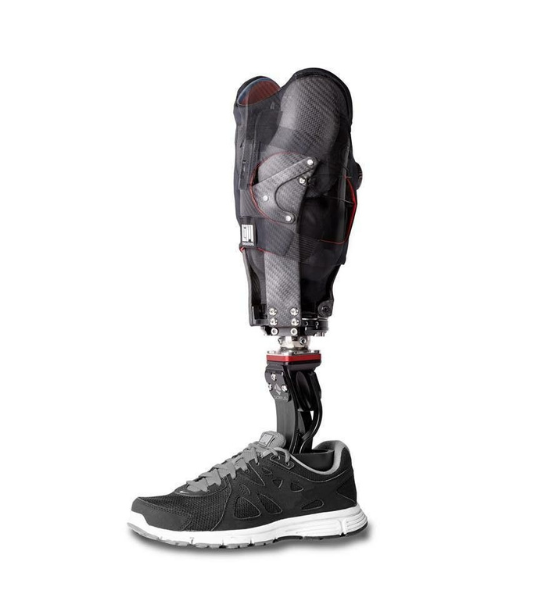
Design optimization and validation ensure that innovative concepts become practical engineering solutions. Our work helps organizations improve existing technologies, refine new designs, and prepare prosthetic systems for future testing and development.
We support clients through:
• Engineering review and improvement recommendations
• Performance evaluation strategies
• Design refinement
• Technical problem solving
• Development decision support
Through continuous improvement and engineering validation, we help advance prosthetic
technologies that deliver improved performance, reliability, and user experience.