Specializing in the engineering design and development of advanced prosthetic limb technologies,
our company combines biomechanics, mechanical engineering, digital development, and technology
integration to address complex challenges in human mobility. We transform medical and functional
requirements into innovative engineering solutions that support the creation of next-generation
prosthetic systems.
We support medical technology companies, research organizations, and innovation partners by
providing engineering expertise throughout the prosthetic development process. From early-stage
concepts to refined engineering solutions, we help advance technologies that improve mobility,
functionality, and quality of life for prosthetic users.
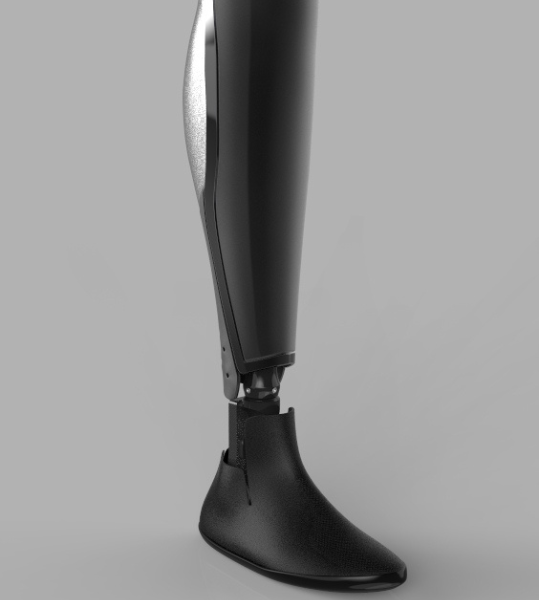
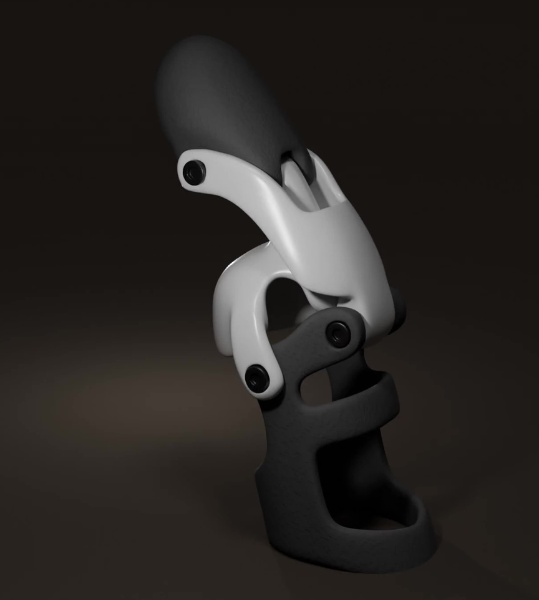
Prosthetic development requires a multidisciplinary approach that combines several areas of
expertise:
• Mechanical engineering — Designing reliable structures, movement mechanisms, and
integrated prosthetic systems.
• Biomechanics — Understanding human movement and translating biological requirements
into engineering solutions.
• Human-centered design — Developing technologies around user needs, comfort, and realworld application.
• Digital engineering — Using advanced modeling, simulation, and optimization methods to
improve development outcomes.
• Technology integration — Combining mechanical systems with sensors, electronics, and
intelligent technologies.
By bringing these disciplines together, we create engineering solutions that address both technical
challenges and human requirements.
Every prosthetic development project begins with understanding the problem that needs to be
solved. We work closely with partners to define objectives, analyze requirements, and develop
engineering strategies tailored to each application.
Our approach includes:
• Understanding clinical and user requirements
• Developing innovative engineering concepts
• Creating detailed digital designs
• Evaluating performance and functionality
• Optimizing solutions through engineering analysis
• Supporting prototype development and further validation
This structured process allows us to transform ideas into practical engineering solutions while
maintaining focus on performance, reliability, and user impact.

ACA Care Management’s professional affiliations reflect the specialized knowledge required to
engineer advanced prosthetic and assistive technologies. Connections with the American Institute
for Medical and Biological Engineering (AIMBE), Association for the Advancement of Medical
Instrumentation (AAMI), Biomedical Engineering Society (BMES), and Rehabilitation Engineering
and Assistive Technology Society of North America (RESNA) keep our team engaged with
developments across biomedical engineering, medical technology, rehabilitation engineering, and
assistive systems.
For work involving biomechanics and prosthetic performance, engagement with the American
Society of Biomechanics (ASB) and International Society of Biomechanics (ISB) adds focused
technical depth in human movement, load transfer, joint mechanics, gait, and the interaction
between engineered devices and the body. These connections help support a more complete
understanding of the mechanical and biological factors that influence prosthetic design.
Together, these affiliations strengthen the multidisciplinary foundation behind our engineering
work, combining biomedical science, mechanical analysis, instrumentation, rehabilitation
technology, and biomechanics. They reinforce ACA Care Management’s commitment to technically
rigorous prosthetic engineering and to remaining closely connected with the professional
communities advancing mobility, assistive technology, and human-centered medical device design.
Our mission is to advance prosthetic technology through engineering excellence, human-centered design, and continuous innovation. We aim to develop solutions that bridge the gap between medical needs and engineering possibilities by creating prosthetic systems that are functional, reliable, and designed around the people who use them. We believe that successful prosthetic technologies require more than mechanical performance alone. They must consider human movement, comfort, usability, and the interaction between people and technology.

We collaborate with organizations seeking engineering expertise in prosthetic technology
development. Whether supporting early research concepts, improving existing designs, or
developing new prosthetic platforms, we provide the technical knowledge required to move projects
forward.
Our goal is to serve as an engineering partner that helps transform innovative ideas into meaningful
medical technologies.
Through engineering expertise, collaborative development, and a commitment to human-centered
innovation, we contribute to the advancement of prosthetic solutions that help people achieve
greater mobility and independence.