Supporting the Transition from Design to Prototype
A well-engineered design requires more than a digital model. Before a prosthetic concept can be evaluated, it must be translated into clearly defined technical requirements and development plans.
Our prototype development support includes:
• Prototype planning — Defining prototype objectives, required components, evaluation
methods, and development stages.
• Engineering specifications — Creating detailed requirements for materials, dimensions,
tolerances, interfaces, and functional performance.
• Design preparation — Refining CAD models, assemblies, and technical information for
prototype creation.
• Testing strategy development — Establishing approaches for evaluating mechanical
performance, functionality, and design objectives.
• Engineering coordination — Supporting communication between designers,
manufacturers, clinicians, researchers, and other development partners.
This structured approach helps ensure that prototypes accurately represent the intended engineering
solution.
Technical Documentation & Engineering Records
Clear documentation is essential throughout medical device development. Engineering teams require accurate technical information to evaluate designs, communicate requirements, and support future development activities.
We support the creation of:
• Design specifications
• Engineering drawings
• Component descriptions
• System architecture documentation
• Design rationale records
• Risk assessment inputs
• Testing and verification documentation
These materials provide a foundation for collaboration and help maintain consistency throughout the development process.
Engineering Challenges
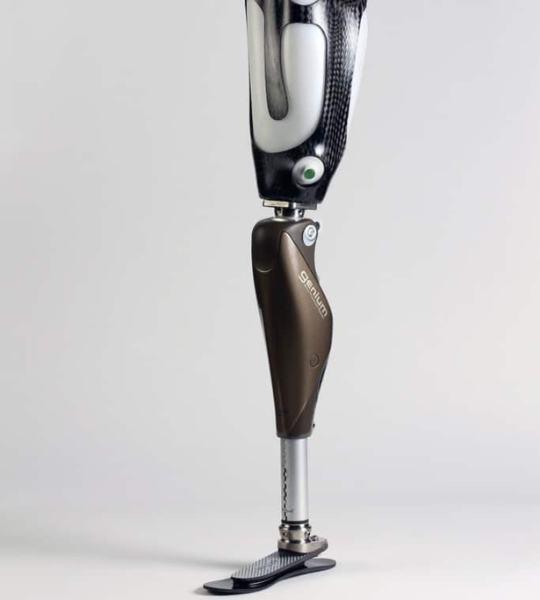
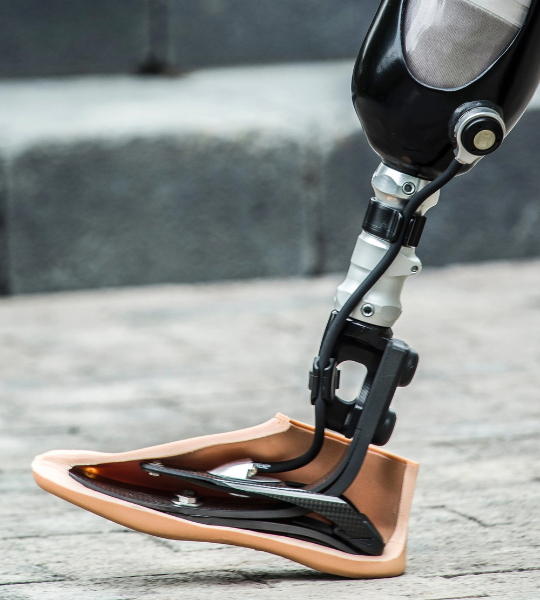
Transitioning from concept design to prototype development introduces several technical challenges. A design that performs well digitally must also be practical, testable, and suitable for further engineering evaluation.
Key challenges include:
• Design translation — Converting theoretical concepts into detailed engineering
requirements that can be accurately implemented.
• Prototype purpose definition — Ensuring each prototype is created with clear testing and
evaluation objectives.
• Design communication — Maintaining accuracy when transferring information between
engineering, clinical, and manufacturing teams.
• Technical completeness — Ensuring all necessary documentation exists to support further
development.
• Future scalability — Creating designs that can evolve through testing, refinement, and later
production stages
Effective documentation and planning reduce uncertainty and improve efficiency throughout the
development lifecycle.
Supporting Testing & Regulatory Preparation
Medical technologies require careful evaluation before they can reach clinical use. While we do not manufacture or certify medical devices, we provide engineering documentation and development support that helps organizations prepare for future testing and regulatory processes.
Our support may include:
• Organizing technical design information
• Preparing engineering records
• Supporting verification planning
• Documenting design decisions
• Assisting communication with development partners
By creating a strong engineering foundation, we help organizations move more effectively through the stages of prosthetic development.
Enabling Successful Prosthetic Development
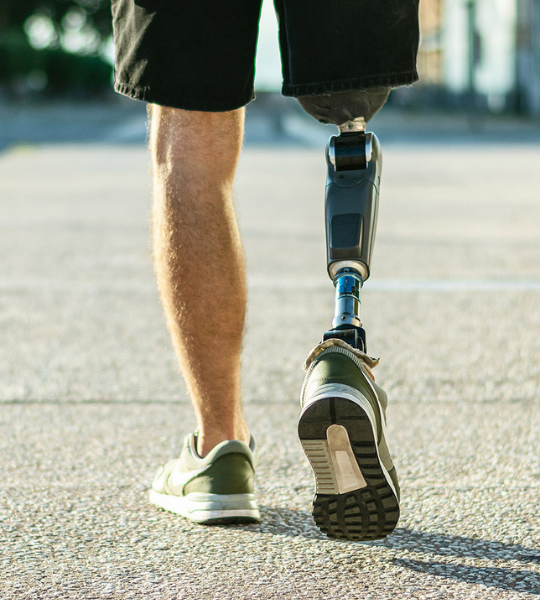
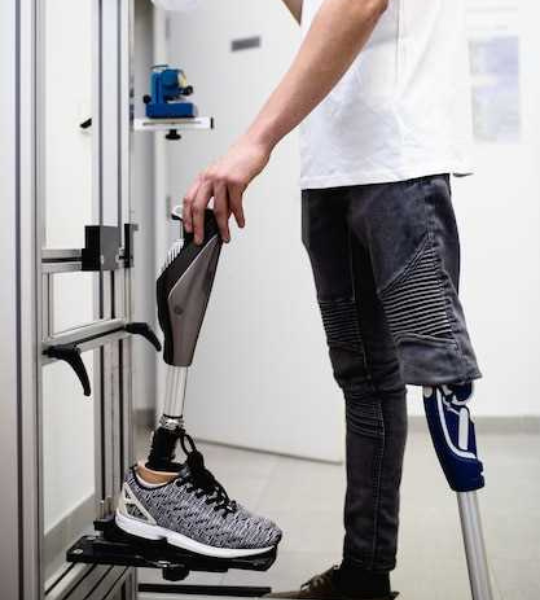
Prototype development and documentation are essential steps in transforming innovative ideas into practical medical technologies. Our engineering expertise helps bridge the gap between design concepts and real-world evaluation by providing structured development support. Through careful planning, technical documentation, and engineering collaboration, we help advance prosthetic solutions toward testing, refinement, and future clinical application.