Engineering Complete Prosthetic Systems
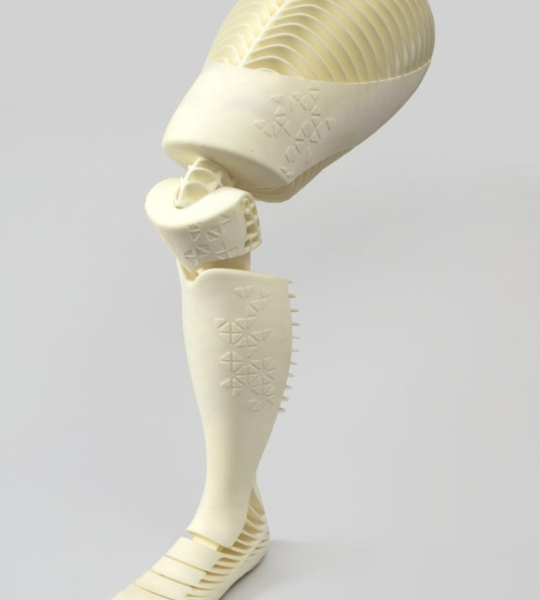
A prosthetic limb is not a single component but a coordinated system of interconnected technologies. Each element must function correctly while supporting the performance of the entire device.
Our engineering process includes:
• Mechanical system integration — Ensuring structural components, joints, sockets, and
movement mechanisms operate together effectively.
• Technology integration — Combining sensors, electronics, embedded systems, and
software-based controls into prosthetic platforms.
• Interface development — Creating effective connections between the human user,
mechanical components, and digital control systems.
• System architecture design — Defining how individual technologies interact and
communicate within the complete prosthetic solution.
• Performance optimization — Improving overall system behavior through engineering
evaluation and refinement.
By taking a complete-system approach, we help ensure that individual innovations contribute to a
practical and reliable prosthetic device.
Developing Intelligent Prosthetic Solutions
Advancements in sensors, electronics, and artificial intelligence are enabling new possibilities in prosthetic technology. However, integrating these technologies requires careful engineering to ensure they provide meaningful benefits to users.
We support the development of intelligent prosthetic concepts by addressing:
• Movement detection and interpretation
• Sensor placement and integration
• Electronic component integration
• Control system requirements
• Data processing and communication pathways
• Interaction between biological signals and mechanical responses
The goal is to create prosthetic systems that respond effectively to user intentions while maintaining reliability, efficiency, and usability.
Engineering Challenges
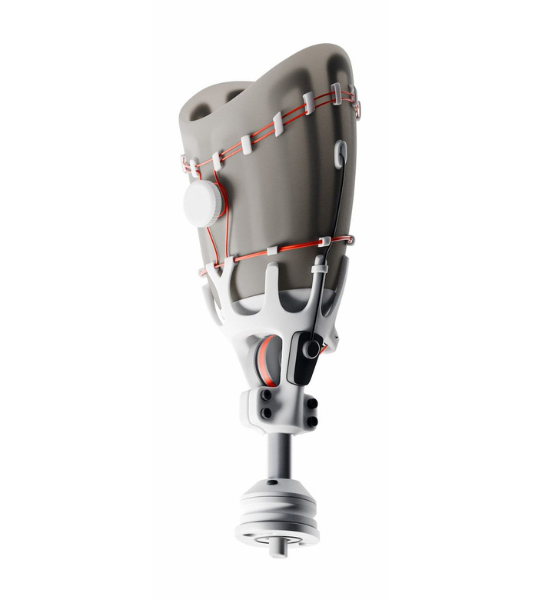
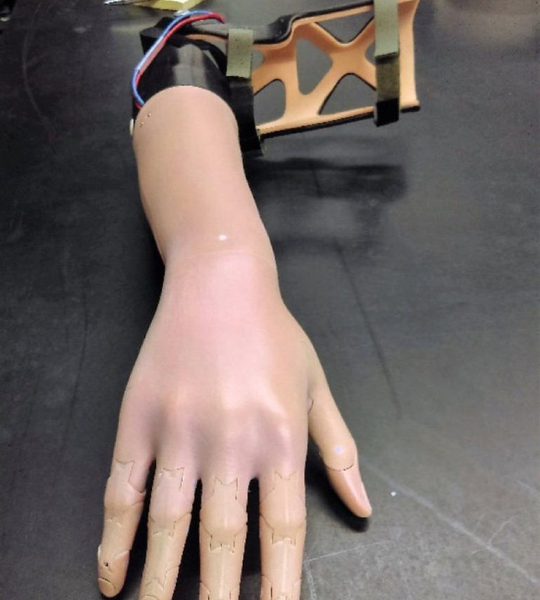
Integrating multiple technologies into a prosthetic system presents unique engineering challenges. Each component must perform reliably while operating within the limitations of size, weight, power consumption, and user requirements.
Key challenges include:
• Component compatibility — Mechanical, electronic, and digital systems must be designed
to work together without creating performance limitations.
• Real-time response — Advanced prosthetics require rapid processing and accurate
responses to user movement.
• Power and energy management — Electronic systems must operate efficiently while
maintaining practical usability.
• System reliability — Integrated technologies must continue functioning under daily
movement, environmental exposure, and repeated use.
• User experience — Advanced functionality must remain intuitive and accessible for the
person operating the prosthetic system.
From Individual Components to Complete Solutions
A major challenge in medical engineering is ensuring that innovative technologies translate into practical solutions. A high-performance component alone does not guarantee an effective prosthetic device; the entire system must be engineered as a unified platform.
Our development process considers:
• How components interact mechanically and electronically
• How users control and experience the device
• How the system performs under real-world conditions
• How future improvements can be incorporated
Through engineering analysis, system architecture development, and multidisciplinary collaboration, we help organizations create prosthetic technologies that are technically advanced while remaining practical and user-focused.
Supporting Prosthetic Innovation
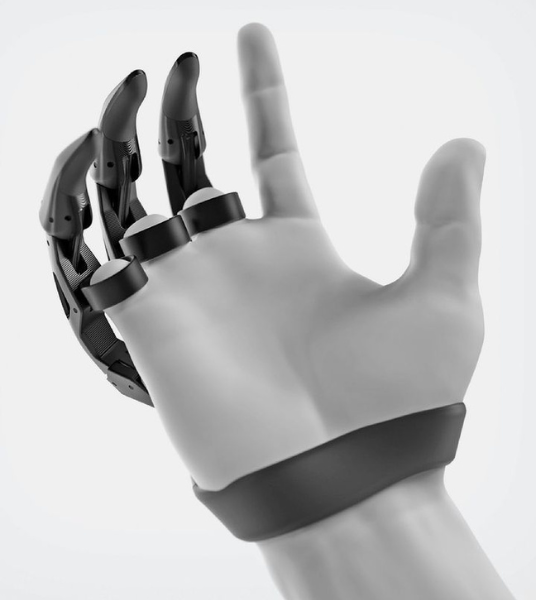
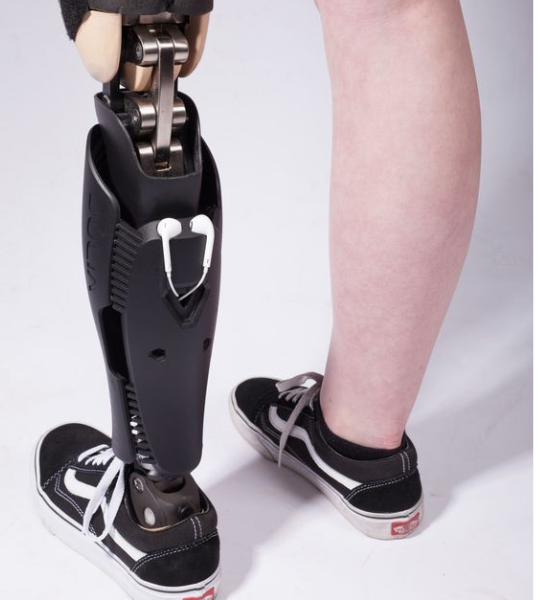
We provide the engineering expertise required to connect emerging technologies with real-world prosthetic applications. Our role is to support companies, research teams, and medical technology developers in designing integrated prosthetic systems that combine mechanical performance with intelligent functionality.
Our capabilities include:
• System-level engineering
• Component integration planning
• Technology evaluation
• Design optimization
• Engineering collaboration with clinical and manufacturing partners
By bridging mechanical engineering and advanced technology development, we help create the next
generation of responsive, adaptable, and user-centered prosthetic solutions.